
Home gardens helping vulnerable women improve nutrition and livelihoods in FUU
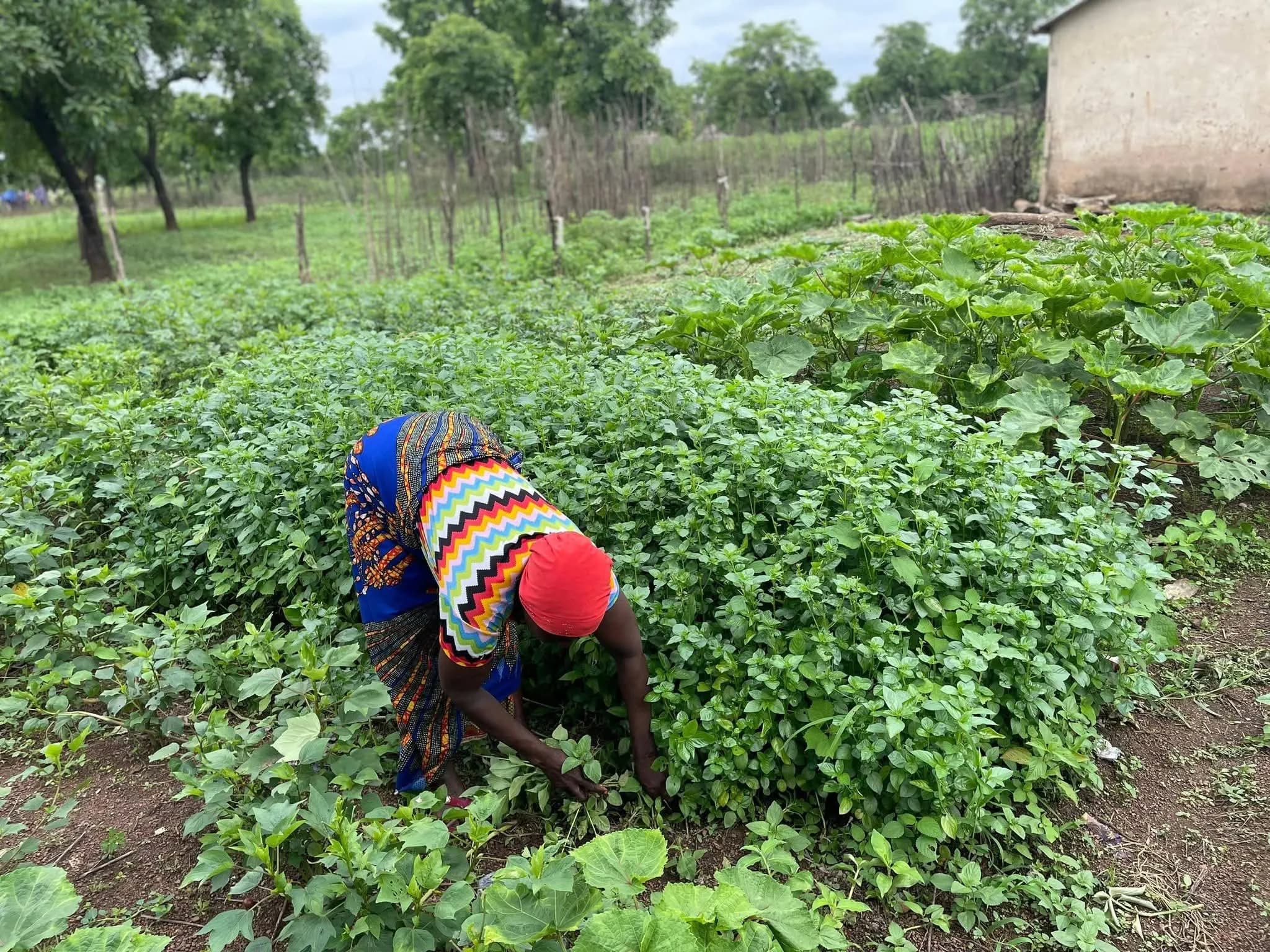
The Centre for Active Learning and Integrated Development (CALID) is using home gardens to improve access to nutritious foods and strengthen the livelihoods of vulnerable women and families in FUU.
Through its Home Gardens Initiative, pregnant women, lactating mothers, widows and women-headed households are cultivating nutrient-rich vegetables, including bra, also known as hibiscus, aleefu (amaranthus), ayoyo and okra, for household consumption and income generation.
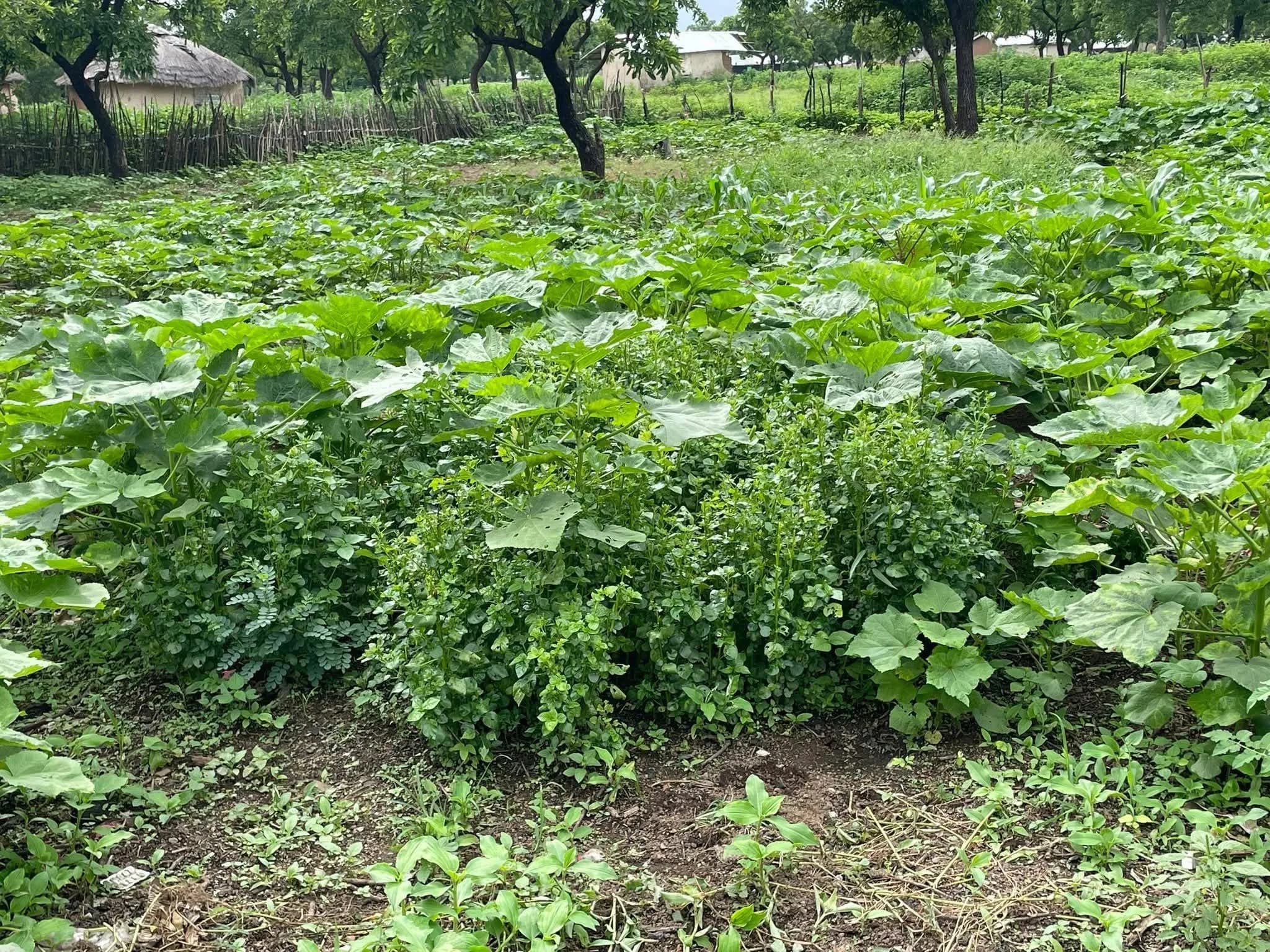
The initiative is aimed at increasing access to iron-rich foods, particularly for pregnant women, lactating mothers and children under five years. By growing vegetables within their homes, beneficiary households are able to supplement their diets with fresh and nutritious produce while contributing to efforts to prevent anaemia among vulnerable groups.
Beyond improving household nutrition, the gardens are also creating opportunities for women to generate additional income. Beneficiaries can sell surplus vegetables after meeting their household needs, helping to strengthen their livelihoods and reduce some of the economic pressures facing vulnerable households.
CALID says the initiative also promotes vegetable production without chemical inputs, encouraging healthier diets and environmentally friendly and sustainable farming practices within communities.
The Home Gardens Initiative demonstrates how small-scale food production can have a wider impact on families by linking nutrition, economic empowerment and environmental sustainability.
From a small garden to a healthier household, stronger livelihoods and a healthier community, CALID believes every garden can grow into an opportunity for lasting change.
Source: Northwebonline.com