History and succession of the Damongo paramountcy
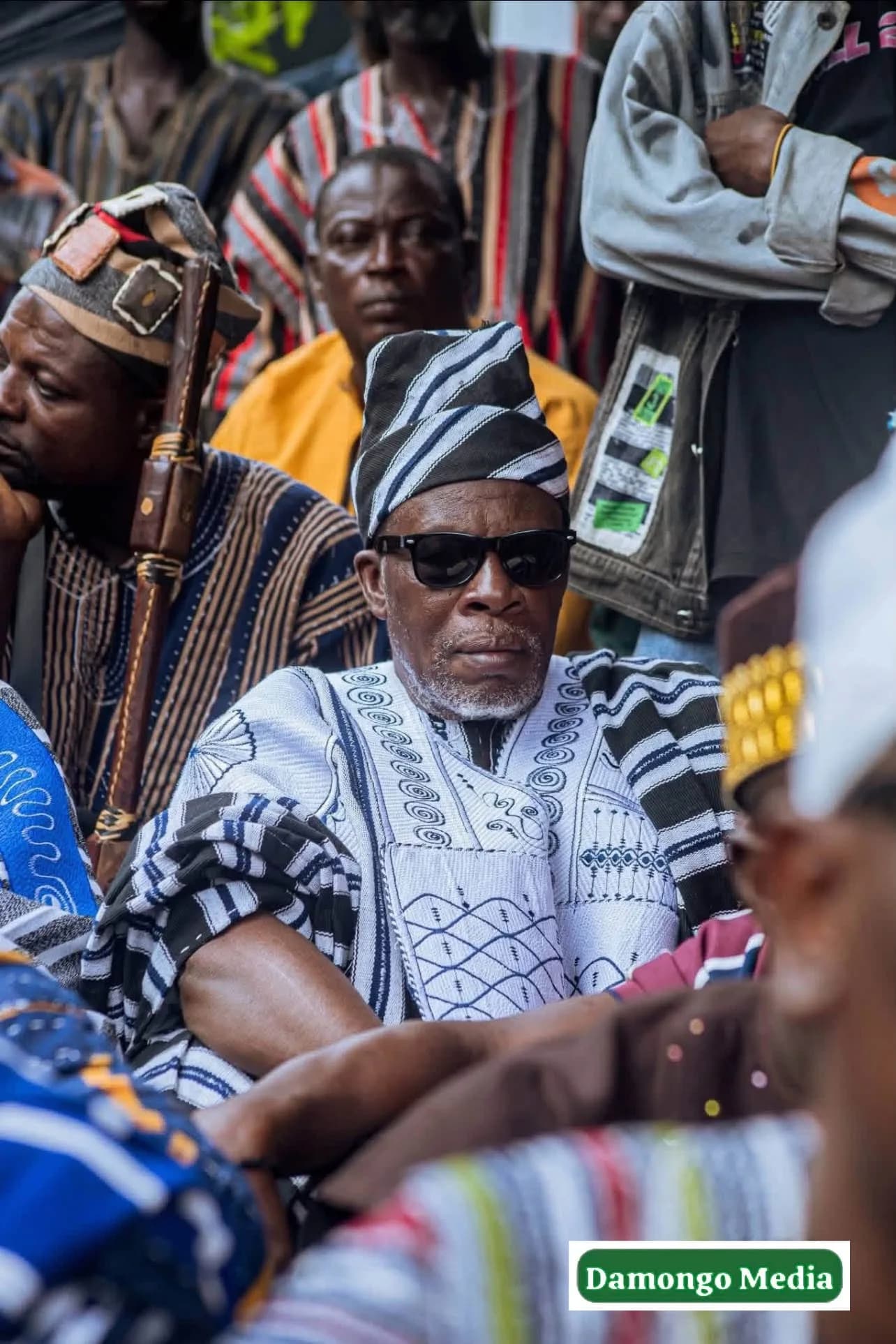
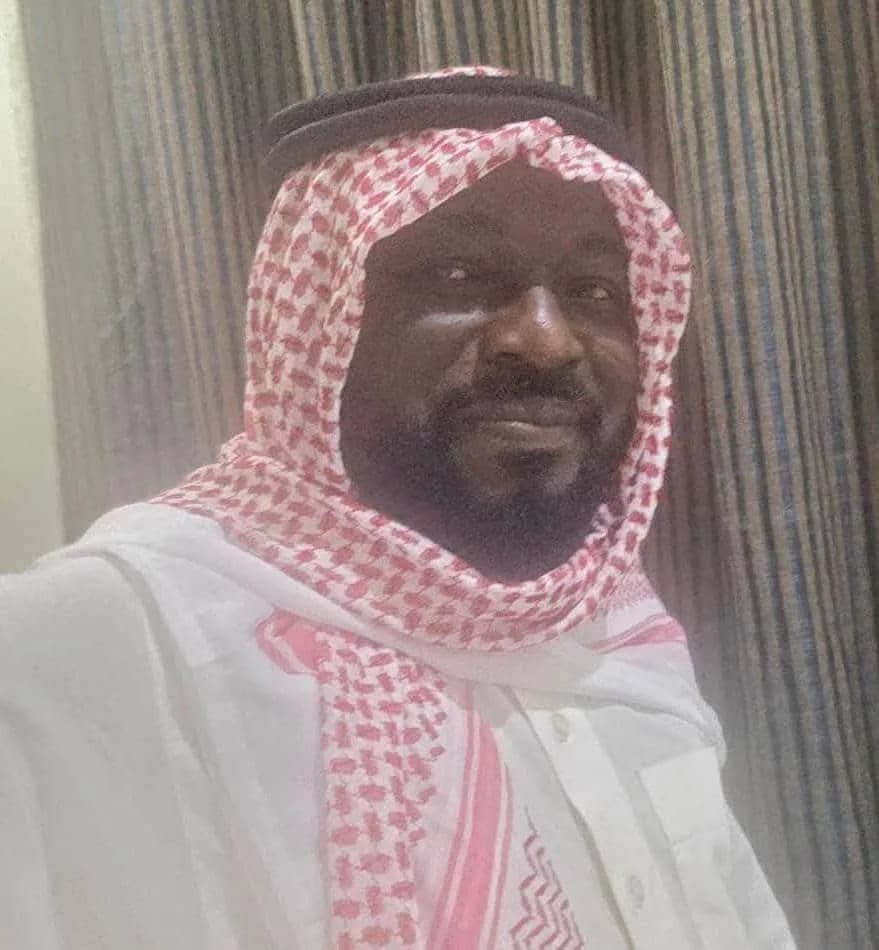
Damongo, also known traditionally as Demanwu, is the capital of the West Gonja Municipal District in Ghana’s Savannah Region. Since 1944, it has also served as the seat of the paramountcy of the Gonja Kingdom, known as the Yagbon Skin. The history of succession in Damongo therefore relates both to the Damongowura, the paramount chief of Damongo, and to the broader traditional succession system of the Gonja Kingdom under the Yagbonwura.
Origins and Early History
The Damongo chieftaincy family traces its ancestry to Gbiniti, whose name is traditionally interpreted as meaning “too tired.” He was a younger brother of Lanyon Sonyowura. According to traditional accounts, Lanyon briefly became Yagbonwura but preferred his previous position and renounced the succession, advising his brother similarly.
Chiefs of Damongo are traditionally chosen and enskinned through customary processes involving the Kuntunkure clan guardian of the sacred Kutunkuru drum, which is closely associated with Ndewura Jakpa, the founder of the modern Gonja Kingdom.
Tradition holds that Ndewura Jakpa left people at Damongo under Akupo Denteh, who was associated with the Kuntunkure, and entrusted his infant son, Zakariah, to be nurtured and prepared as a future chief. Zakariah was later enskinned as Damongowura Gbin-Nyiti I, and his descendants became the foundation of the principal Damongo royal lineage.
Over time, the Damongo Paramountcy developed a two-gate succession system, consisting of the Lermupe Gate and the Dangepe Gate. Traditionally, eligible royals from these two gates succeed to the Damongo Skin in rotation.
The Kuntunkure also play important customary and ritual roles in the succession process, including announcing the death of a chief, participating in funeral rites and contributing to the nomination and selection of successors.
Damongo Becomes the Capital of the Gonja Kingdom
Damongo was originally a relatively small settlement. However, in 1944, Yagbonwura Awusi Ewuntomah Bunyangso, who ruled from 1942 to 1975, moved the seat of the Gonja Kingdom from Nyange to Damongo because of Damongo’s more central location and accessibility.
Since then, Damongo has remained the traditional capital of the Gonja Kingdom and has hosted successive Yagbonwuras.
The Gonja Succession System and the Role of Damongo
The Gonja succession system is largely rotational and governed by customary law. Important instruments associated with the system include the 1930 Gonja Constitution and the Declaration of Customary Law (Gonja Traditional Council) Instrument, 2010.
Succession to the Yagbon Skin rotates among five principal gates or divisions according to seniority:
1. Wasipewura
2. Kpembewura
3. Bolewura
4. Tuluwewura
5. Kusawguwura
The selection of a Yagbonwura involves important kingmakers and traditional authorities. These include the Sonyowura, as well as the Damongowura, Choriwura, Busunuwura, Mankpanwura, Kelibuwura, Kankpadewura, Jilitongwura and Kpanshaguwura.
The Damongowura is therefore one of the important traditional authorities involved in the processes surrounding succession to the Yagbon Skin.
The Damongo Paramountcy itself continues to operate its own rotational arrangement between the Lermupe and Dangepe Gates. Historical succession records, including arrangements approved in 1986 during the reign of Yagbonwura J.A. Braimah Timu, reference important skins and traditional positions, including Kruase, Budon and Kesepe.
The Damongo Succession Dispute
One of the most significant modern succession disputes in Damongo followed the death of Damongowura Jakpa James Lermu Tuntumba in January 2016.
Following his death, it was understood that succession had moved to the Dangepe Gate. A number of candidates emerged, including Abuasewura Kelly Seidu Braimah, who was nominated through the Kuntunkure, and Budonwura Imoro Yakubu, who later became known as Damongowura Gbeadese.
The late Yagbonwura Sulemana Jakpa Tuntumba Boresa I and the Gonja Traditional Council initially supported one candidate based on interpretations of the 1986 succession arrangements.
However, competing nominations and interpretations of customary succession procedures resulted in parallel claims. The dispute eventually reached traditional and judicial institutions, including proceedings involving the Savannah Regional House of Chiefs, leading to a prolonged deadlock that lasted for several years.
The disagreement had implications for peace, security and development in Damongo and the wider traditional area.
Resolution of the Succession Matter
Following the death of Yagbonwura Tuntumba Boresa I and the enskinment of Yagbonwura Bikunuto Jewu Soale I from the Tuluwe Gate in 2023, efforts were made to resolve the long-standing Damongo chieftaincy dispute through traditional processes.
The matter was subsequently withdrawn from court and returned to the appropriate traditional authorities for settlement.
On 24 November 2023, Yagbonwura Bikunuto Jewu Soale I, together with important Gonja traditional authorities and Damongo kingmakers, including representatives of the Churowura, Sonyowura, Mankpanwura and Kuntunkure, affirmed Kelly Seidu Braimah as the legitimate Damongowura and successor to the late Damongowura Jakpa James Lermu Tuntumba.
Kelly Seidu Braimah was subsequently reported to have received formal recognition through the chieftaincy registration and gazetting process, strengthening his recognition as the paramount chief of the Damongo Paramountcy.
While alternative claims and references to other claimants have continued to appear in some discussions, the affirmation of the Yagbonwura and the subsequent traditional and formal recognition processes established Kelly Seidu Braimah as the recognized Damongowura under the relevant traditional processes.
Conclusion
Damongo occupies a unique and important position in the history of the Gonja Kingdom. As both the capital of the Gonja Kingdom and an important local paramountcy, succession to the Damongo Skin carries significant political, cultural and symbolic importance.
The Damongo succession system emphasizes the rotation between the Lermupe and Dangepe Gates, the role of the Kuntunkure and other kingmakers, and the supervisory authority of the Yagbonwura.
Like many traditional succession systems, disagreements may arise concerning eligibility, rotational arrangements, historical succession lists and the authority to nominate candidates. Nevertheless, the traditional institutions of Gonjaland continue to play a central role in resolving such matters and preserving the customs and heritage of the Gonja Kingdom.
Source: Northwebonline.com